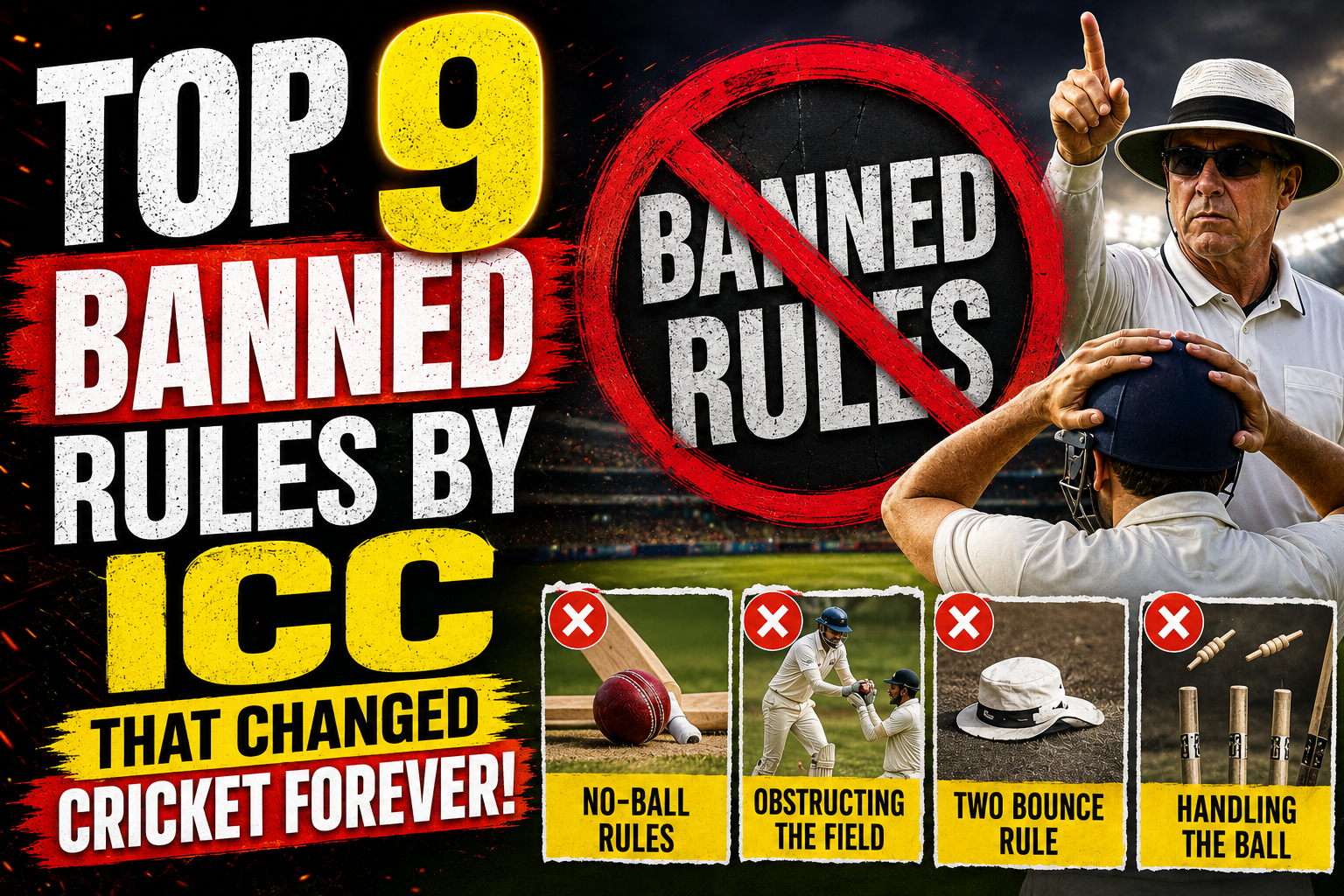
Top 9 Banned ICC Rules – Here’s Why
Cricket is called the gentleman’s game. But trust me, over the years, players have used every trick in the book. Some smart, some dangerous and some downright unfair. And because of that, the laws of cricket had to change. Today, we will take you through the top 9 banned rules in cricket. Rules that once existed, caused chaos and then disappeared forever.
1. The back no ball rule: Let’s start with a rule that’s gave bowlers a huge advantage. Before 1963, a delivery was legal as the bowler’s back foot stayed behind the crease. This meant the front foot could be way over the line, bringing the bowler closer to the batsman. It was almost like bowling from halfway down the pitch. After complaints from batsmen worldwide, the ICC scrapped this and introduced the front foot no ball rule we use today.
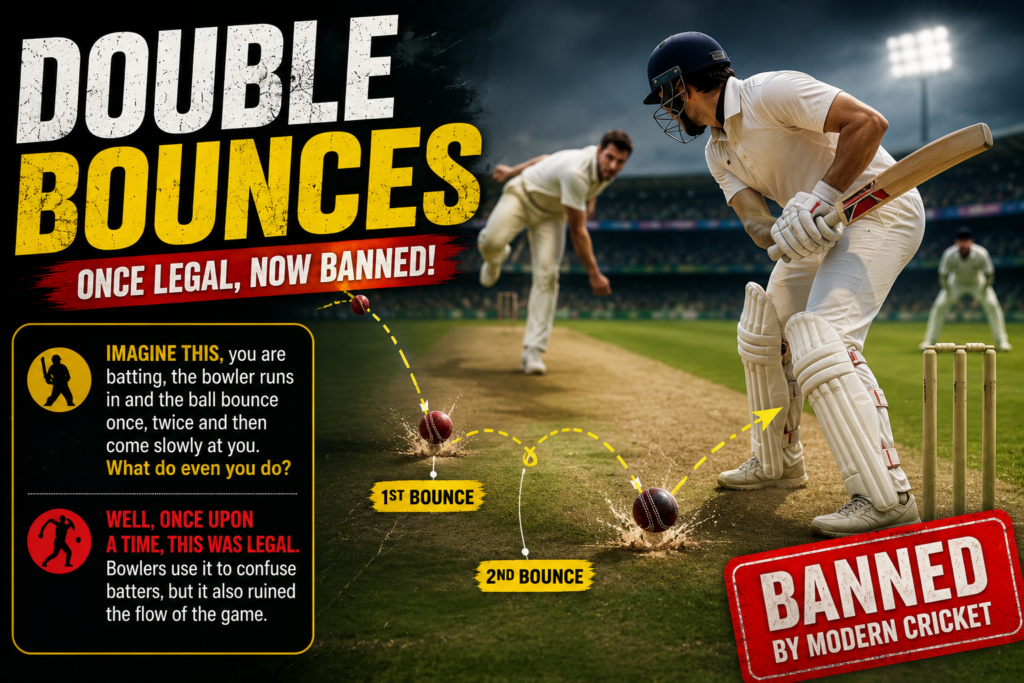
2. Double bounces: Imagine this, you are batting, the bowler runs in and the ball bounce once, twice and then come slowly at you. What do even you do? Well, once upon a time, this was legal. Bowlers use it to confuse batters, but it also ruined the flow of the game. That’s why ICC banned any ball that bounces more than once before reaching the batsman. Today, it’s called a no ball straightway.
3. Runners for injured batters: For decades, if a batter pulled muscle or was struggling to run, they could ask for a runner. Another teammate would run between the wickets for them while the batter just focused on hitting the ball. Sounds fair, right? Well, in practice, it caused endless confusion. Two players running together led to chaos, runouts, and constant arguments. In 2011, the ICC finally banned runners, saying, “Every batter must run for themselves, injury or not.”
4. Handling the ball as a separate dismissal: Earlier, if a better touched the ball with their hand while it was still in play, they could be given out as handling the ball but the law created confusion with another dismissal, obstructing the field. So, in 2017, the ICC merged it all together. Now if a batsman deliberately uses their hand to interfere, they’re simply out obstructing the field.
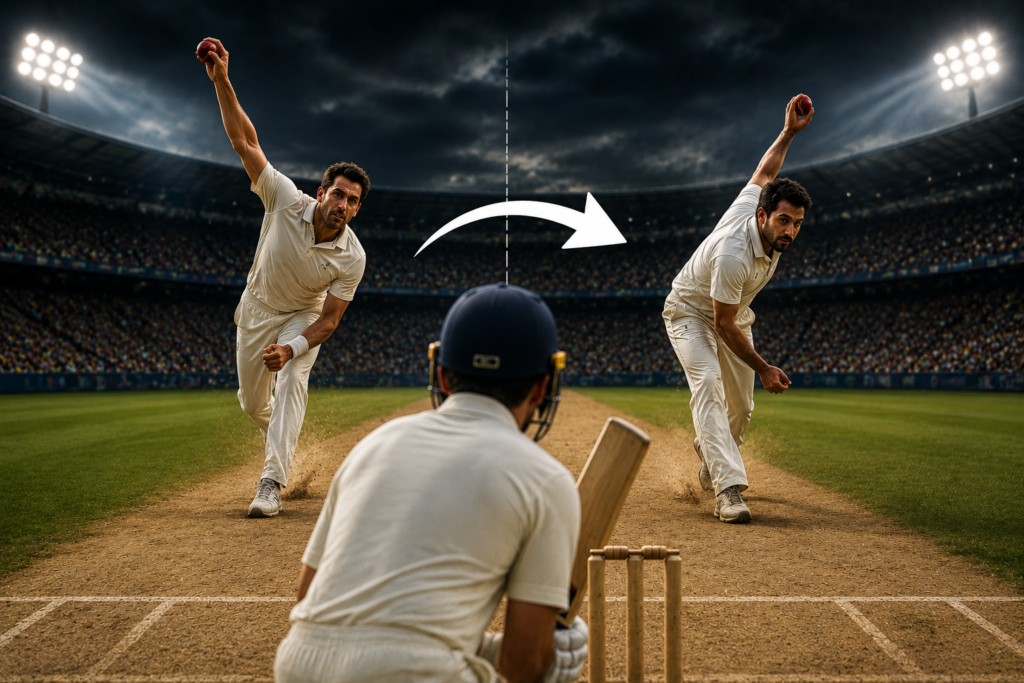
5. Switch bowling arm without warning: Some bowlers used to change their bowling arm, say from right arm pace to left arm spin in the middle of an over without warning the batter. Imagine preparing for Brett Le’s pace and suddenly facing a spinner from the same run up. To stop this surprise attack, a rule was made. Bowler’s must tell both the umpire and the batter before changing their arm or side of the wicket.
6. Unlimited bouncers: Cricket’s most controversial series, the 1932 “Bodyline Ashes”. England ‘s bowlers, led by Douglas Jardine, targeted Don Bradman and other Aussies with far short pitch balls aimed at their body with fielders packed on the leg side. It was brutal, dangerous and caused injuries. The Australians called it unfair, crowds booed and it nearly broke cricketing relations between the two countries. Since then, rules were brought in to limits the number of bouncers per over, specially in ODIs and T20s.
7. Aluminium Bats: In 1979, Dennis Lily shocked the cricket world by walking out with a shiny aluminium bat. Fans loved the drama, but England’s captain, Mike Berley, quickly complained. Why? Because the aluminium edges were damaging the cricket ball, and the bat gave Lily an unfair advantage. Within minutes, umpires ask Lily to swap it. After the match, the ICC made it official that only wooden bats allowed, no metal experiments.
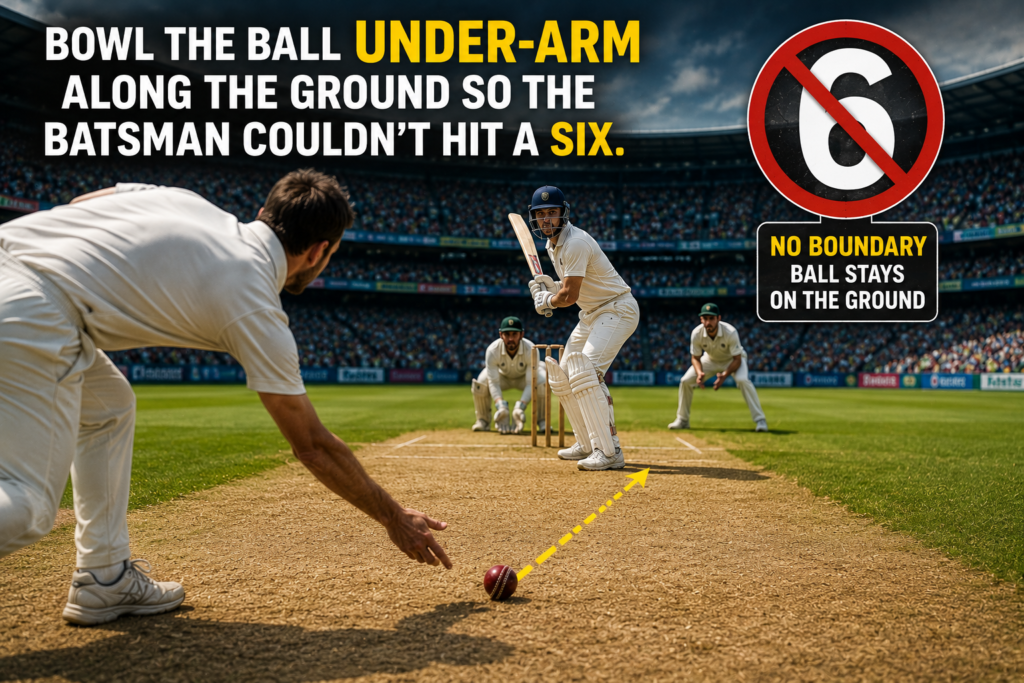
8. Under-arm bowling: The most infamous moment in cricket history – 1981, Australia versus New Zealand needed six to tie. Captain Greg Chapel told his brother Trevor to bowl the ball under-arm along the ground so the batsman couldn’t hit a six. Trevor did it. The crowd booed, New Zealand players were furious and commentators called it disgraceful. The ICC immediately banned under-arm bowling forever. Today, that incident is remembered as the darkest day in cricket’s history.
9. Illegal bowling actions, chucking: The rule that has ended many careers. Some bowlers bent their arms too much while bowling, giving them unfair pace or spin. Earlier it was tough to spot but now with slow motion cameras the ICC strictly enforces the 15 degree elbow rule. Many talented bowlers like Shoaib Akhtar, Muttiah Muralitharan, Saeed Ajmal have all faced controversies because of it. Love it or hate it, this rule keeps cricket fair for both bat and ball.
And there you have it, the top 9 ICC banned rules in cricket. Some were dangerous, some unfair and some just bizarre like the aluminium bat.
Which one shocked you the most? Let us know in the comment below.💬
You can also read:
5 thoughts on “Top 9 Banned ICC Rules That Changed Cricket Forever”